


Posted by Aventis Systems on Jan 12th 2026
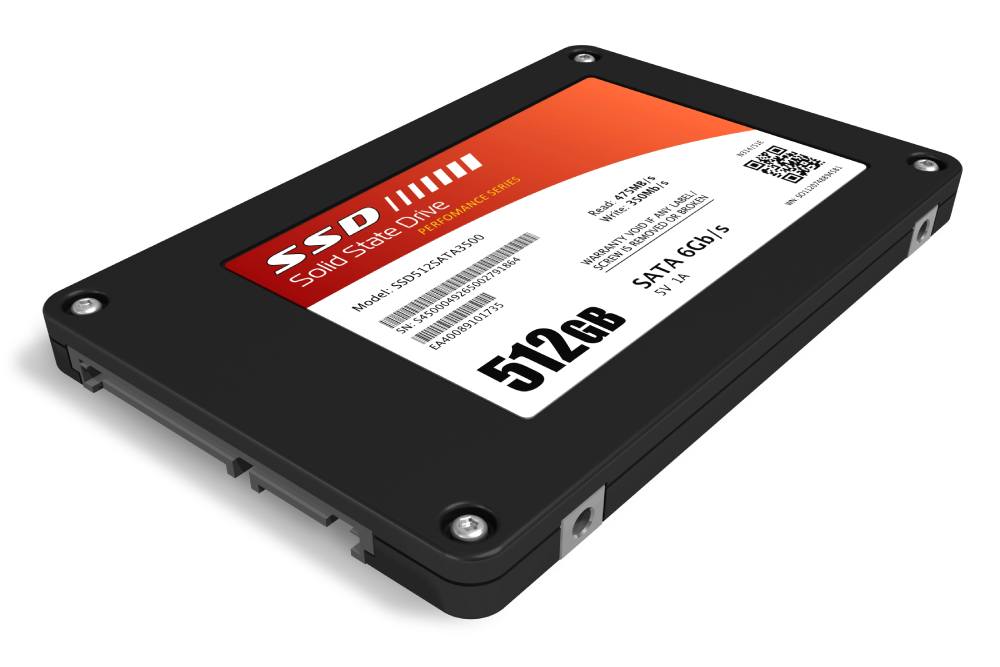
When deciding between SSD vs HDD for your business’s data storage needs, it's important to understand the unique characteristics of each option. Both Solid-State Drives (SSDs) and Hard Disk Drives (HDDs) are popular storage solutions, but they differ in performance, cost, and durability. Understanding these differences will help you choose the best option based on your business's specific requirements.
In this guide, we’ll explore the pros and cons of SSDs and HDDs, the performance differences, cost implications, and when each type of storage is best suited for your business. By the end, you’ll have a clearer picture of which storage solution will support your organization’s growth.
What Are SSDs and HDDs?
Before we explore the differences, let’s define what each storage type is.
SSDs (Solid-State Drives) use flash memory to store data. Unlike traditional storage devices, SSDs have no moving parts, which makes them faster and more durable. They use integrated circuits to store data, which is accessed electronically. SSDs have become the go-to storage option for high-performance applications, offering superior speed and efficiency.
On the other hand, HDDs (Hard Disk Drives) are older technology that uses mechanical parts to store data. They rely on spinning disks and a read/write head to access and store data. HDDs have been around for decades and are still widely used for their cost-effectiveness in larger storage capacities.
SSD Vs. HDD: Key Differences You Need to Know
There are several factors to consider when choosing between SSDs and HDDs. Let’s break down the key differences that matter most for your business.
● Speed and Performance
When it comes to speed, SSDs outperform HDDs by a significant margin. Since SSDs have no moving parts, they can access data almost instantly. This speed boost translates into faster load times for operating systems, applications, and files, which can greatly improve overall system performance.
For businesses, speed is especially important. SSDs reduce the time employees spend waiting for applications to load, boosting productivity. For data-heavy tasks like video editing, large file transfers, and data analysis, SSDs deliver the performance needed to handle these processes without lag.
On the other hand, HDDs rely on spinning disks, which means they take longer to access data. As a result, they experience slower read and write speeds, especially when dealing with large files or databases. While HDDs are fine for simple tasks like storing documents and spreadsheets, they can cause delays when handling more demanding workloads.
In a business environment, if you need to run multiple applications simultaneously, load large datasets, or quickly access files, an SSD will provide a much smoother and faster experience.
● Cost and Storage Capacity
One of the primary reasons businesses still use HDDs is their cost-effectiveness. HDDs are significantly cheaper than SSDs, especially when you’re looking for larger storage capacities. If your business needs to store large amounts of data without worrying about high costs, an HDD might be the better option. You can get terabytes of storage for a fraction of the cost of an SSD.
SSDs, while faster and more reliable, are more expensive per gigabyte than HDDs. This makes them a higher upfront investment. However, as technology advances, the cost of SSDs continues to decrease, making them more accessible for businesses looking for performance improvements without breaking the budget.
For most businesses, the choice comes down to the balance between performance and cost. If storage space is a priority and speed is less important, an HDD offers an affordable solution. But if your company needs fast access to data and higher performance, the additional investment in SSDs can pay off in the long run.
● Durability and Reliability
SSDs are known for their durability. Since they have zero moving parts, they are less likely to sustain physical damage from impacts or drops. This makes them ideal for businesses that require portability or those in industries where hardware can be exposed to harsh conditions.
HDDs, on the other hand, are more vulnerable to damage because of their mechanical parts. Dropping or jostling an HDD can cause the read/write heads to crash into the disk, potentially resulting in data loss. The moving parts in an HDD also create friction and heat, which can reduce the lifespan of the drive over time.
For businesses that rely on uninterrupted operations and need the most reliable storage solution, SSDs are the better choice. They offer better protection for critical data and require less maintenance, reducing the risk of downtime.
● Power Consumption and Heat
SSDs are more energy-efficient than HDDs. Because they don’t have moving parts, they consume less power and generate less heat. This makes SSDs a great option for businesses that want to save on energy costs and reduce their environmental impact.
In contrast, HDDs consume more power due to their mechanical components. They also produce more heat, which can potentially lead to overheating if not properly managed. For businesses looking to reduce power consumption and optimize cooling, SSDs are the preferred choice.
● Storage Capacity and Use Cases
While HDDs dominate when it comes to large storage capacities, SSDs are catching up. Businesses that require huge amounts of storage (such as for archiving or backup purposes) may find HDDs to be more practical due to their lower cost per gigabyte. However, as SSDs continue to evolve, they are increasingly being used in enterprise environments that require both speed and storage.
HDDs are often used in situations where data access is less frequent or doesn’t require fast speeds, such as in data archives, backup storage as part of disaster recovery efforts, or for less demanding applications. SSDs, on the other hand, are ideal for running operating systems, applications, databases, and other tasks that require quick data access.
● Performance for Specific Business Needs
For businesses dealing with large-scale databases, data analytics, or virtual machines, SSDs are the clear winner. They dramatically improve performance for workloads that require frequent read/write operations and large file transfers.
HDDs may still be sufficient for businesses storing simple documents, spreadsheets, and less demanding applications. However, if your business is growing and you anticipate higher data demands, investing in SSDs will provide you with the speed necessary to support these increasing workloads.
When Should Your Business Choose an SSD?
If your business requires high-speed access to data, frequent use of large files, or performance-based applications, SSDs are the best option. They are perfect for:
- Running operating systems and applications quickly
- Managing high-traffic websites and e-commerce stores
- Running virtual machines or data-intensive applications
- Enhancing user experience with fast load times and responsive interfaces
When Should Your Business Choose an HDD?
On the other hand, HDDs may still be the better choice if your business prioritizes large storage capacity over speed. HDDs are suitable for:
- Data backups and archives
- Storing large amounts of data that are accessed infrequently
- Budget-conscious businesses needing large storage volumes without the premium price tag
Which Storage Solution Is Right for Your Business?
The decision between SSD vs HDD ultimately comes down to your specific business needs. If performance, speed, and reliability are a top priority, then SSDs are the way to go. However, if you’re looking for cost-effective storage for bulk data that isn’t accessed frequently, HDDs may be your best option.
Reach Out to Aventis Systems for Expert IT Solutions
Need help deciding between SSD vs HDD for your business? Aventis Systems offers personalized IT solutions and expert support to support your business as technology needs evolve. With fast shipping, reliable service, and competitive pricing on both hard drives & ssds, we make it easy for you to scale your business's infrastructure.
Contact us today to learn more about our storage solutions and find the perfect match for your needs.